Turkey's $400,000 citizenship threshold, explained
Turkey's 2026 citizenship-by-investment threshold demystified: the $400,000 minimum, the SPK valuation report, the 3-year hold, and exactly what property qualifies.
Ask anyone about Turkish citizenship by investment and the first thing you'll hear is a number: $400,000. It's the headline of the whole program — the figure that decides who qualifies and who doesn't. But the number alone hides several conditions, and most rejected applications fail not on the amount, but on how the amount is measured and documented.
This is what the threshold actually requires in 2026 — how it is proven, what kind of property counts, and the rules that quietly disqualify otherwise-good purchases.
How we got to $400,000
The real-estate route to Turkish citizenship opened at $250,000. It was raised to $400,000 by Presidential Resolution No. 5554, published in the Official Gazette on 13 May 2022 and effective from 13 June 2022 after a one-month grace period.
The figure has held steady into 2026. That stability is itself a point in Turkey's favour: investors can plan against a known threshold rather than chase a moving target, as has happened with several European residency programs.
The valuation report: where the threshold is actually proven
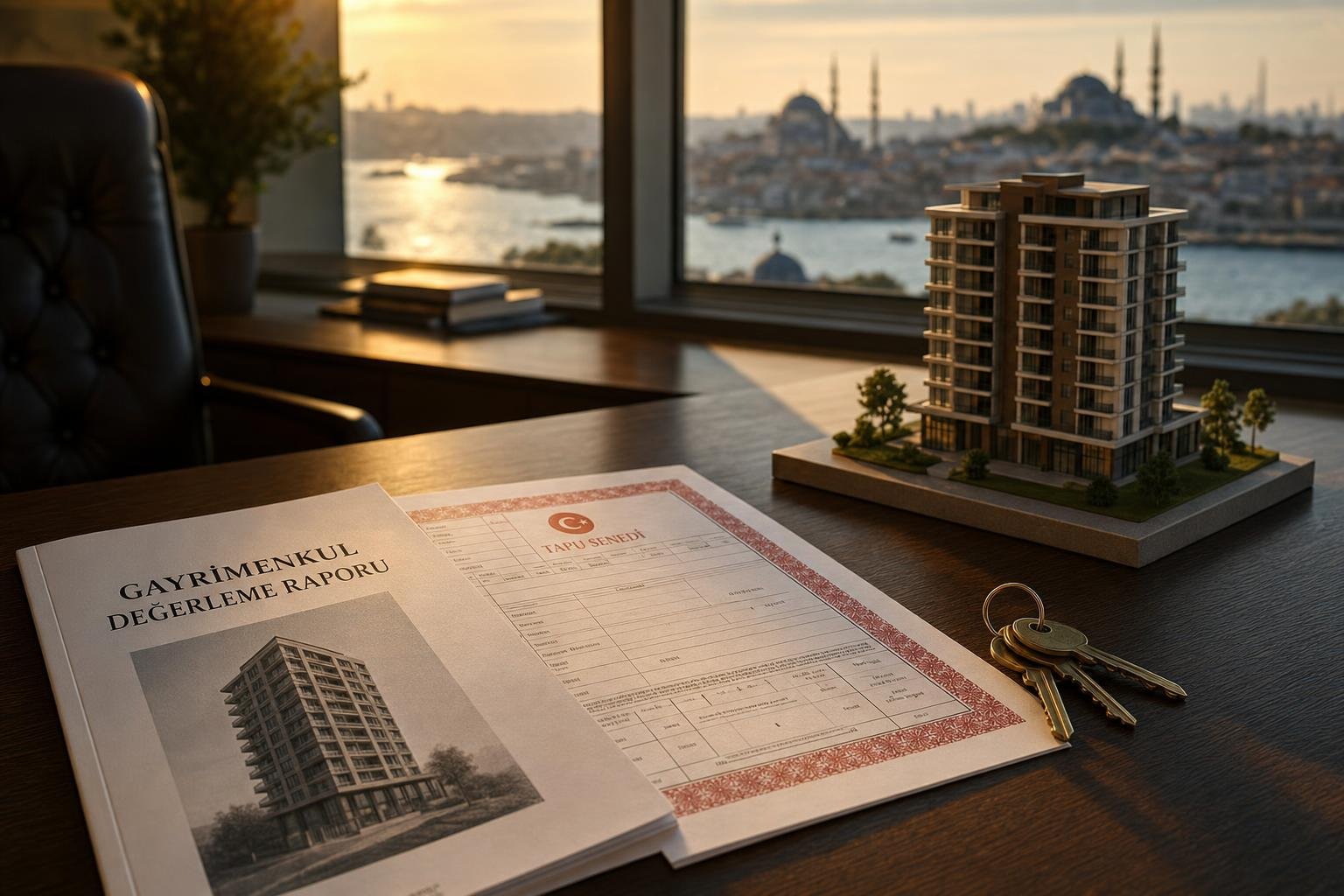
The $400,000 is not judged on the price you negotiate — it is judged on an official valuation. Every foreign purchase for citizenship requires a valuation report (ekspertiz raporu) prepared by an appraisal firm licensed by Turkey's Capital Markets Board (SPK/CMB). The report must independently confirm the property is worth at least $400,000.
If the appraisal comes in below the threshold, the application is rejected — regardless of what you actually paid. The report is also valid for only three months, so timing it close to your application matters.
Note: there have been reports of changes to which body assigns the appraiser (toward more centralised, randomised assignment to reduce manipulation). Confirm the current appraiser rules with counsel before you commission a report.
Three values, one threshold
A subtle trap sinks more files than any other: three separate values must each independently meet $400,000.
- The SPK valuation (the appraised value).
- The price actually paid through Turkish banking channels.
- The value declared on the title deed (Tapu) at the Land Registry.
Under-declaring the deed value to save on transfer tax is a false economy — it can drop the recorded value below the threshold and disqualify the file. In 2025 Turkish authorities began revoking citizenship from investors tied to inflated valuations and 'cash-back' schemes, so the cost of gaming these numbers is no longer just rejection.
Paying the right way: the Central Bank and the DAB
The investment funds must be converted to Turkish lira through a Turkish bank and sold to the Central Bank, evidenced by a foreign-exchange purchase certificate (Döviz Alım Belgesi, or DAB). The seller is then paid in lira.
Paying the seller directly in foreign currency, or moving money outside the banking system, breaks the chain of evidence the state requires. A clean, documented banking trail is non-negotiable.
What property actually qualifies
Residential and commercial real estate both qualify, and you can combine more than one property to reach the threshold.
- Off-plan / under-construction units can work — but only with an existing title arrangement (floor easement), an approved project, a notarised contract, and payment routed officially through a bank.
- Agricultural land and unregistered properties are generally not eligible.
- Properties carrying mortgages, foreclosure or certain tenant/family annotations cannot take the citizenship annotation.
The reuse and ownership rules investors miss
Two rules catch buyers off guard. First, a property that has already been used in another foreigner's citizenship application cannot be reused — even if you buy it from a Turkish seller today. Second, you generally cannot buy a qualifying property from another foreign national; the seller should be a Turkish citizen or company.
A full title-history check before you sign is the cheapest way to avoid both traps.
The 3-year hold and the certificate that ties it together
A 36-month no-resale annotation is registered on the title deed. You commit to holding the property for three years; after that, citizenship is permanent and the property can be sold freely.
Once the transfer, the annotation, the SPK appraisal and the DAB all align, the Land Registry issues a Certificate of Conformity — the linchpin document that lets the citizenship file proceed.
The threshold itself is simple. The compliance around it is not. A vetted appraisal, a clean payment trail and a clear-title property are where applications succeed or fail — and a short professional review before you transfer funds is the cheapest insurance in the entire process.
Sources
- Global Citizen Solutions — Turkey CBI
- MFY Legal — Buying property for Turkish citizenship
- IMI Daily — Threshold rises to $400,000
- Kurucuk & Associates — 2026 guide
Figures are indicative for 2026 and change with policy and the exchange rate. This article is general information, not legal, tax or investment advice. We confirm current requirements for your specific case.