Buying property in Turkey? You may already qualify for citizenship
Many buyers shopping for a Turkish home are one threshold away from a passport. How property purchase and citizenship overlap in 2026 — and when it's worth reframing the buy.

Most people who start researching a property in Turkey are thinking about one thing: the home. A sea-view apartment in Antalya, a Bosphorus flat in Istanbul, a villa near the coast. Citizenship rarely enters the search. Yet for a large share of those buyers, the very same purchase could also carry a Turkish passport — for them, their spouse and their children under 18.
This isn't a separate, exotic program reserved for a different kind of investor. It runs on exactly the thing you're already shopping for: real estate. The question is simply whether your purchase crosses one line, and whether it's worth shaping the buy so it does. Here's the honest version — including who it isn't for.
The overlap most buyers never notice
Turkey's citizenship-by-investment route is built on property. There is no separate fund to subscribe to, no donation, no bond. You buy real estate — residential or commercial — hold it for three years, and you and your immediate family can become citizens.
That means the citizenship buyer and the property buyer are often the same person, looking at the same listings, with the same budget. The only difference is that one of them knows the purchase can do double duty, and the other doesn't.
The one number that changes the conversation: $400,000
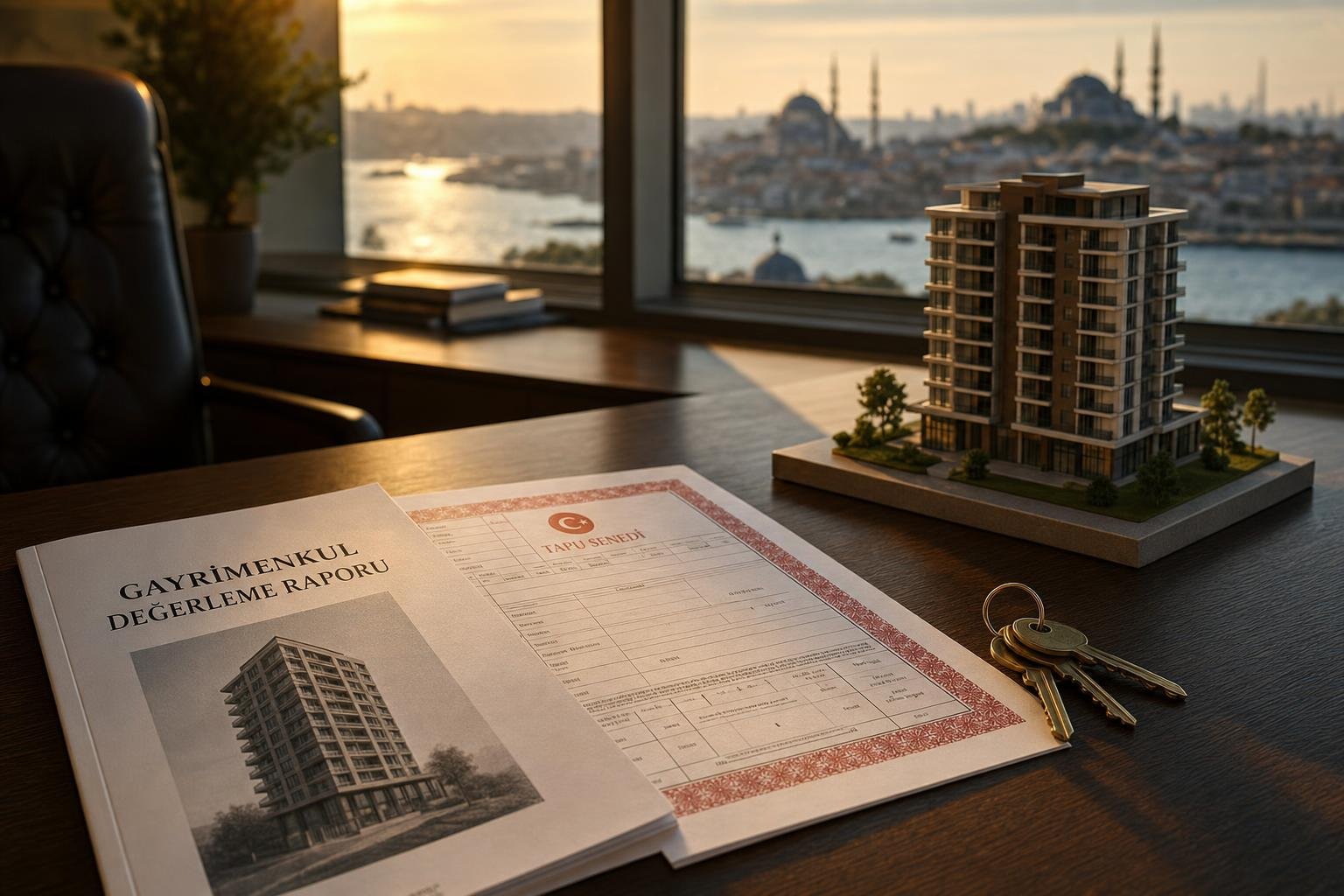
Everything turns on a single threshold. Buy qualifying Turkish property worth at least $400,000 — confirmed by an official, SPK-licensed valuation, not just the price you negotiate — and the citizenship route opens.
This is the honest fork in the road:
- If you're already looking at property around or above $400,000, you may be one valuation report away from a passport — and probably didn't know it.
- If your budget is a €120,000 holiday flat, citizenship isn't on the table at that level, and no advisor worth trusting will pretend otherwise.
So the first useful question isn't 'how do I get citizenship?' It's simply: where does my property budget actually sit relative to that line?
What the purchase earns you beyond the keys
If your buy does clear the threshold, the property stops being just a property. The same money also delivers:
- Citizenship for the whole family — main applicant, spouse, and children under 18 — in a single application.
- A Turkish passport with visa-free or visa-on-arrival access to a wide list of destinations across the Balkans, Latin America and Asia.
- Dual nationality: Turkey lets you keep your existing citizenship, so it's an addition, not a trade.
- No residency or language requirement to obtain or keep it — you don't have to live in Turkey.
For a buyer who was going to spend the money on Turkish property anyway, that's a meaningful return layered on top of the asset itself.
The catch: it's a more disciplined kind of purchase
Reframing a property buy as a citizenship buy raises the bar on how you transact. The same purchase now has to satisfy the state, not just you. In practice that means a clean, documented path:
- An SPK-licensed valuation that independently confirms the $400,000 value.
- Payment routed through a Turkish bank and the Central Bank, evidenced by a foreign-exchange certificate (the DAB).
- A three-year no-resale annotation recorded on the title deed.
- A genuinely clean title — not previously used for another foreigner's citizenship, and not bought from another foreign national.
None of this is exotic, but it's unforgiving of shortcuts. We walk through the exact sequence in our piece on the property-to-passport timeline, and the rules behind the number in the $400,000 threshold explained.
Does it change which property you should buy?
A little — and usually for the better. A pure holiday-home buyer might chase the prettiest view. A buyer who also wants citizenship has two extra priorities: the property must be eligible (clean title, not agricultural land, not already 'used'), and it should hold its value for a clean resale after the three-year hold.
That second point quietly improves the decision. Thinking about exit liquidity from day one tends to steer you toward better-built, better-located stock — which is exactly what you'd want even if citizenship weren't part of the plan. Our Istanbul vs Antalya vs Bodrum comparison breaks down where yield, growth and resale liquidity actually sit.
Who this is genuinely not for
Honesty matters more than a sales pitch here. Citizenship-by-investment is the wrong frame if your budget sits well below $400,000, if you need to sell within the three-year hold, or if you simply want a small lifestyle bolt-hole and have no interest in a second passport. In those cases you're a property buyer, full stop — and that's perfectly fine.
It becomes worth a serious look when your number is near or above the threshold, when a second passport or a family contingency plan has any value to you, and when you'd rather your largest purchase abroad do two jobs instead of one.
How to find out in one conversation
You don't need to commit to anything to learn where you stand. A short, honest conversation about your budget, your timeline and your goals is usually enough to tell you whether your purchase can carry citizenship — or whether it makes more sense to treat it purely as property.
That's the conversation we have every day, and we'll give you a straight answer either way, including 'not at this budget.' If you're shopping for property in Turkey, it costs nothing to find out whether you're also shopping for a passport.
Sources
- Invest in Türkiye — Acquiring property and citizenship
- Global Citizen Solutions — Turkey CBI
- MFY Legal — Buying property for Turkish citizenship
- Henley & Partners — Turkey residence & citizenship
Figures are indicative for 2026 and change with policy and the exchange rate. This article is general information, not legal, tax or investment advice. We confirm current requirements for your specific case.